

The City of Textiles: Denizli’s Millennia-Old Weaving Heritage
The heart of weaving beats in Denizli. Follow the traces of this heritage that stretches from ancient times to the present day.
Some cities don’t write their history on stone walls but weave it into fabric. Denizli is one of those cities — a capital of weaving where the past meets the present, craftsmanship blends with technology, and nature harmonizes with elegance. For centuries, the same sound has echoed through its lands: the rhythm of labor, patience, and mastery.
What, then, has made Denizli the heart of textile since ancient times? How has the art of weaving endured here, nurtured by natural resources and a passion passed down through generations? From the dyeing workshops of Hierapolis to the home looms of Babadağ, let’s trace the threads of this unique heritage that took root in the heart of the Aegean.
Rich Cultural Roots
From the Hittites to the Phrygians, from Rome to Byzantium, and later the Seljuks and Ottomans — Denizli sits at the crossroads of civilizations, right at the heart of a land layered with history. Today, it stands as a meeting point of tourism, education, art, and culture.
Its fertile lands, abundant water sources, and position along major trade routes have made Denizli a natural home for production and craftsmanship. By the 11th century, with the influence of the Seljuks and later the Ottomans, it had become one of Anatolia’s most vibrant centers of trade and manufacturing. With the white terraces of Pamukkale, ancient city ruins, and artisan workshops that bring life to tradition, history and production continue to coexist here.

A Living Weaving Heritage
Denizli’s relationship with weaving dates back thousands of years. The cities of Hierapolis, Laodicea, and Colossae — spread along the Lycos (Çürüksu) Valley — were renowned textile centers of the ancient world. In these cities, wool, silk, and dyeing were not merely crafts but the beating heart of the economy and culture.
In Hierapolis, thermal waters were used to fix violet and madder dyes, giving fabrics a rich and lasting tone. Dyeing became a specialized craft, organized into guilds, and master artisans passed down both technique and aesthetic sensibility from generation to generation.
Behind this craftsmanship was not only human skill but also the generosity of nature itself. The calcareous waters of Pamukkale purified threads, while the fertile lands of the Büyük Menderes River nourished the finest cotton. Nature was the most loyal partner in production — and when united with human hands, it became the source of art. Fabrics came alive with hues drawn from roots, walnut leaves, and pomegranate peels — the colors of nature woven into every fiber.
In Laodicea, fabrics made from the glossy black wool of local sheep symbolized luxury across the Mediterranean. Known as “Trimitia,” these textiles reached the palaces of Rome, representing both refinement and mastery. Colossae, on the other hand, was famed for its fine linen and delicate patterns — an early reflection of functional beauty.
The trade route stretching from the Lycos Valley to the port of Ephesus turned the region’s production network into a thriving ecosystem. From raw material to fabric, from fabric to fashion — this was one of the earliest examples of an organized industrial system. Even then, Denizli was not only a center of production but also a city that defined quality, style, and taste.

Recent History and Local Weaving Traditions
Textile production in Denizli continued uninterrupted from the Byzantine through the Seljuk and Ottoman periods. During the Ottoman era, towns like Buldan, Babadağ, and Kızılcabölük became famed for their fine textiles — even gracing the palaces of the empire. Today, these three districts still carry that same tradition of intricate craftsmanship.
Buldan is best known for its handwoven bürümcük fabric. Made from tightly twisted threads and washed in hot water to achieve its natural crinkle texture, it combines the purity of cotton and silk. Lightweight, breathable, and timeless — Buldan fabric remains a staple of both comfort and elegance.
In Kızılcabölük, silk and linen fabrics are adorned with lace, sequins, silver thread, and motifs inspired by nature — violets, birds, tulips, and butterflies. Each piece carries not only beauty but also memory, transforming fabric into storytelling.
Babadağ, meanwhile, is one of the few places where the culture of “home looms” still lives on. The rhythmic sound of weaving begins with the sunrise, a soundtrack to the town’s identity. From bed linens to patterned cloths and traditional sashes, the legacy of handweaving continues to be passed from one generation to the next.

From Tradition to Global Legacy
A major transformation began in Denizli’s textile industry after the 1980s. While artisanal production survived in small workshops, local cooperatives, and cultural heritage programs, the city as a whole embraced modern, export-oriented manufacturing. The techniques evolved, yet the same care and precision remained.
In essence, easy access to raw materials, a deep-rooted culture of craftsmanship, and a rapidly developing production network have made Denizli a globally recognized textile hub. Weaving here is no longer just a means of livelihood — it has become a standard of artistry that shapes global fashion and aesthetics.
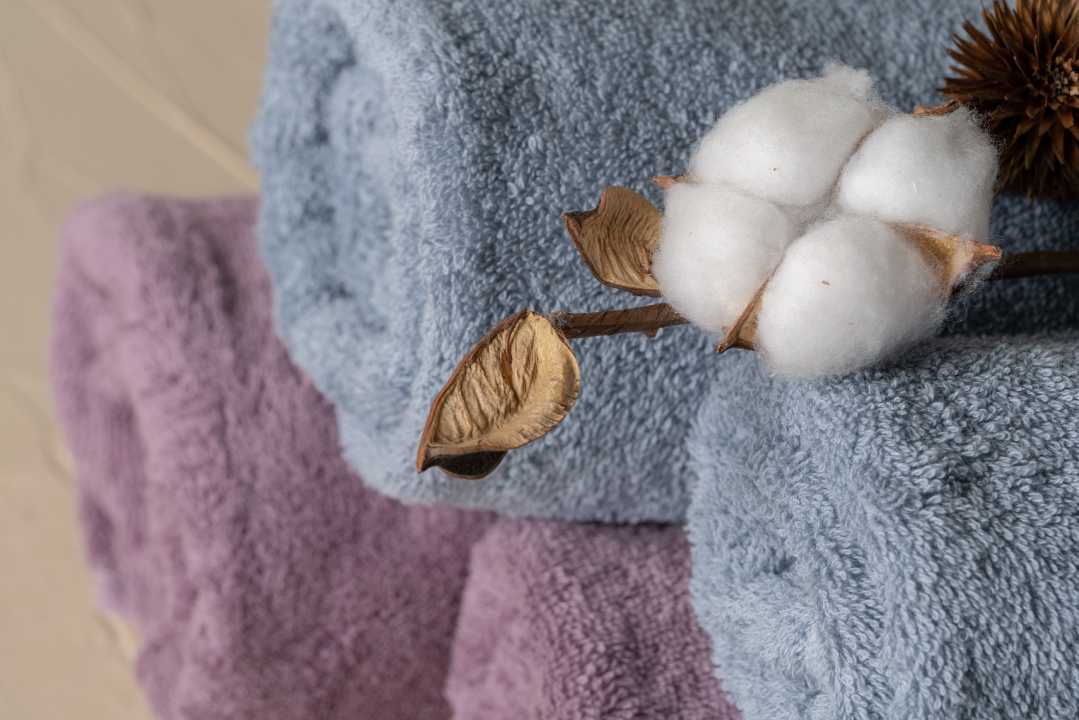
With its significant share in towel exports, Denizli proudly represents Turkey in international markets. Turkish Towels — born from this land — embody centuries of quality, refinement, and design. Today, Denizli’s weaving legacy extends far beyond the Aegean, touching homes and lives around the world.