4 Wonders of Turkish Craftsmanship
Shaped by earth, water, thread, and fire, these four crafts continue to speak the enduring language of Turkish artistry.
Anatolia has long been a cradle of craftsmanship — a place where human hands gave form to earth, stone, cotton, and metal. Here, craftsmanship is more than production; it is a language that carries faith, patience, and centuries of refined taste. Every handmade object bears the imprint of its maker and the memory of a culture that values devotion and skill.
As the world changes, these crafts continue to evolve. At the crossroads of modern design, lifestyle, and heritage, Anatolia’s timeless artistry continues to inspire creators worldwide.
In this article, we explore four remarkable examples of Turkish craftsmanship — from tiles and marbling to copperwork and towel weaving.
1. Turkish Tile Art
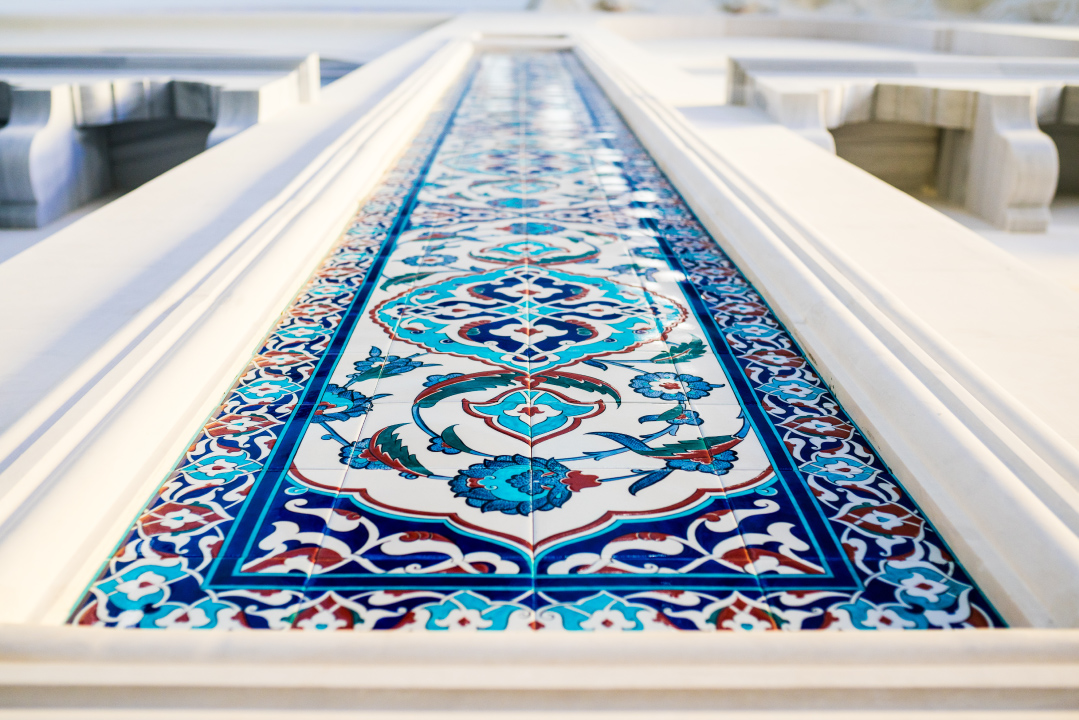
Tile-making is one of Anatolia’s oldest and most captivating crafts. Originating in the 15th and 16th centuries in İznik — once the artistic heart of the Ottoman Empire — it became a symbol of refinement and aesthetic excellence.
A mixture of clay, quartz, and glass powder is fired at high temperatures to produce a porcelain-like surface. Smooth and reflective, it catches the light with brilliance and depth, resulting in works that are both elegant and enduring.
Every motif carries meaning: tulips, carnations, and pomegranate blossoms symbolize the cycle of life; cobalt blue and coral red represent the colors of paradise. For centuries, these tiles adorned mosques, palaces, and bathhouses, embodying the Ottoman pursuit of harmony and beauty.
Today, İznik tiles once again enrich modern interiors — from wall panels and ceramic plates to decorative pieces. Each one preserves a story passed from master to apprentice. Even after centuries, they still echo the same truth: the story of earth shaped by fire.
2. Ebru Art
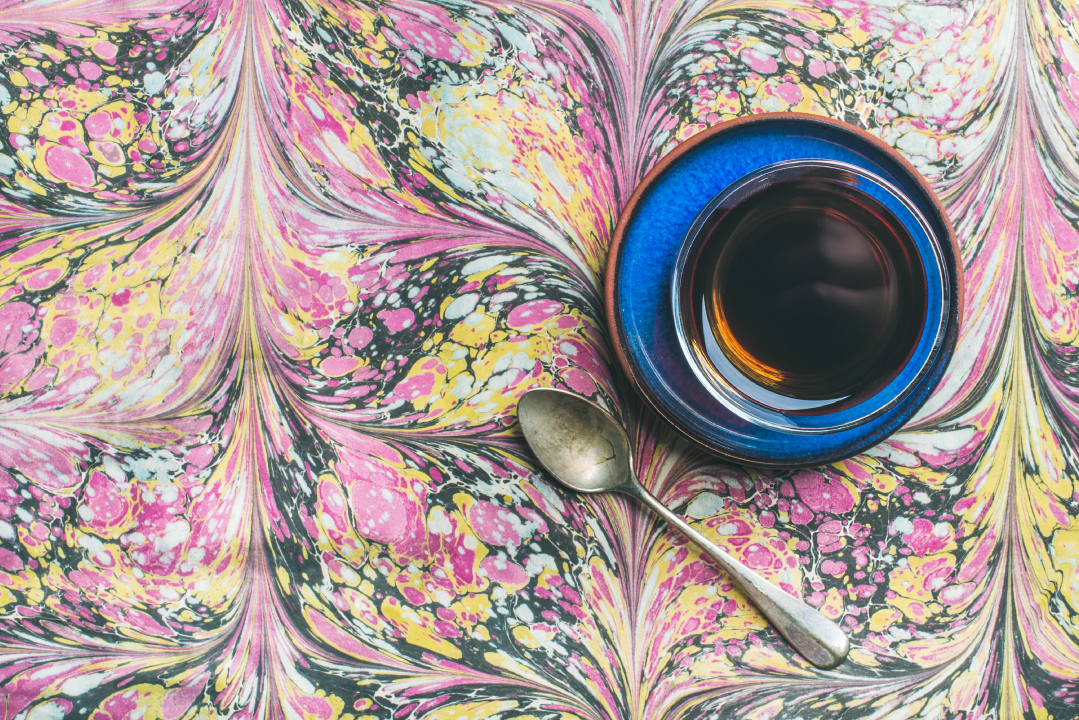
Also known as Turkish marbling, Ebru captures the essence of creativity on water. In a tray filled with thickened liquid, natural pigments are sprinkled onto the surface from brushes. The colors spread, forming organic, unpredictable shapes. Once a sheet of paper is carefully placed on top, the pattern transfers — and a unique, unrepeatable artwork comes to life.
This is what makes Ebru extraordinary: no two designs are ever the same. Each one mirrors the artist’s emotion in that moment.
The technique dates back to Central Asia and spread through the Silk Road to Persia and eventually to the Ottoman world, where it flourished. Marbled papers adorned calligraphy, official documents, and fine book covers — becoming an essential part of Ottoman visual culture.
Rooted in patience and precision, Ebru reflects the Turkish philosophy of harmony and balance. In 2014, UNESCO recognized it as part of the Intangible Cultural Heritage of Humanity — a testament to its status as a living, evolving art.
Today, Ebru extends beyond paper, appearing on glass, fabric, leather, and ceramics — a bridge between ancient tradition and modern expression.
3. Copper Craftsmanship
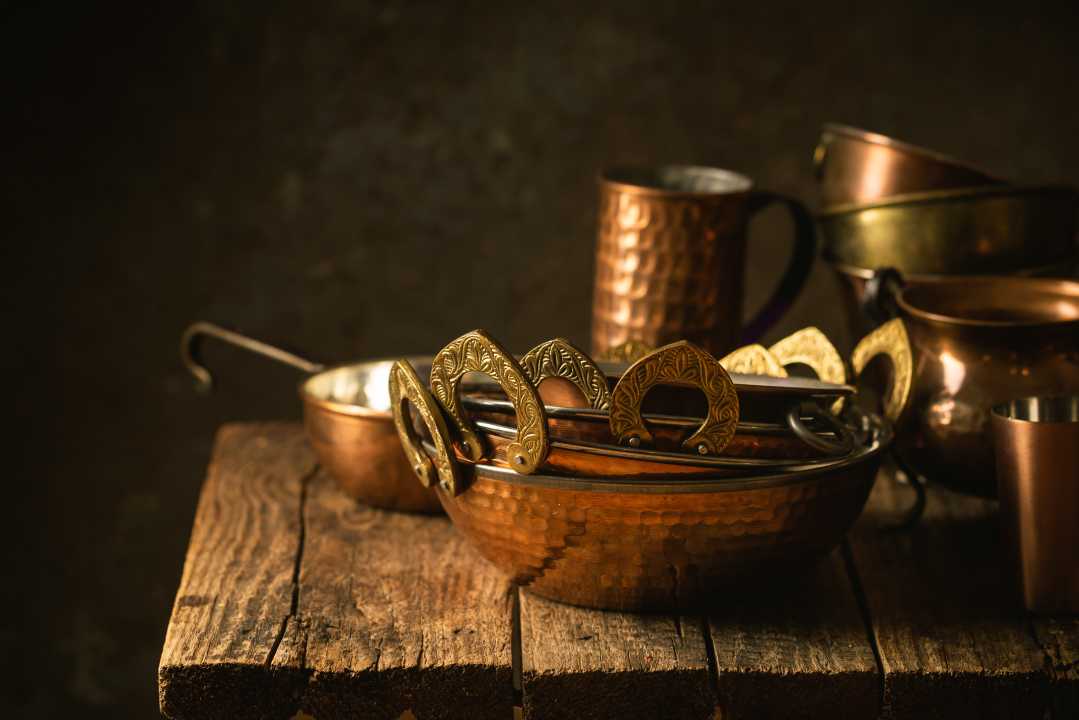
Copper is one of humanity’s oldest artistic materials. Archaeological discoveries in Anatolia trace its use back nearly 10,000 years, to early settlements like Çayönü and Çatalhöyük. Once used for tools and ornaments, copper became an art form with the advent of metallurgy.
By the Ottoman period, copperwork thrived in cities like Tokat, Gaziantep, Erzincan, and Kahramanmaraş — vibrant cultural centers in modern Turkey. Artisans would heat, hammer, and engrave copper, turning it into vessels that were as functional as they were beautiful.
Common motifs such as vines, pomegranates, and birds symbolized prosperity, fertility, and life.
Though mass production diminished its role, handmade copperware never lost its value. Today, copper once again shines in kitchens, boutique hotels, and modern interiors. Each handcrafted piece carries the warmth of fire and the rhythm of human touch — a quiet testimony to an art that refuses to fade.
4. Turkish Towel Weaving
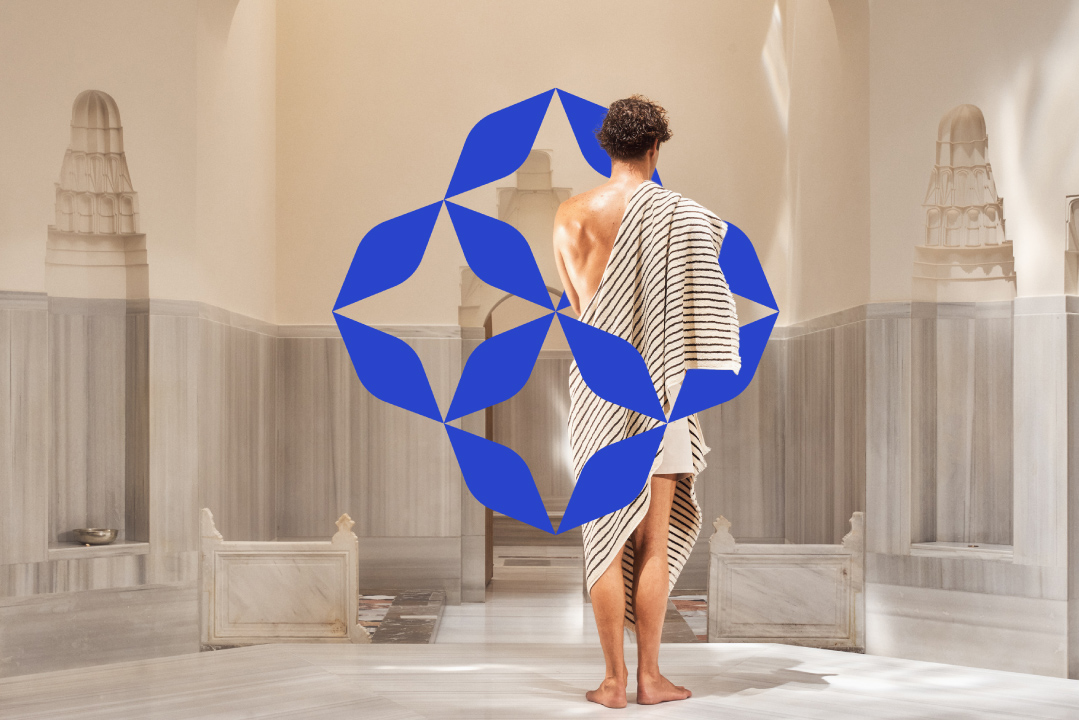
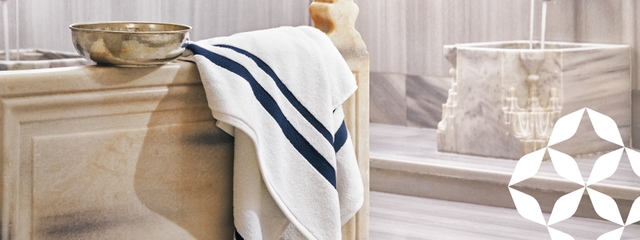
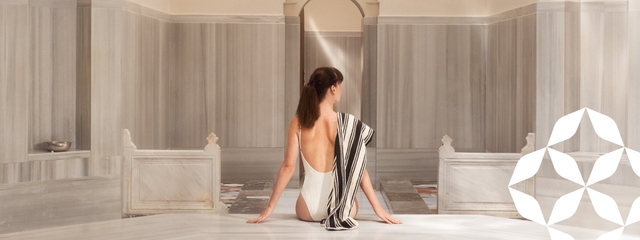
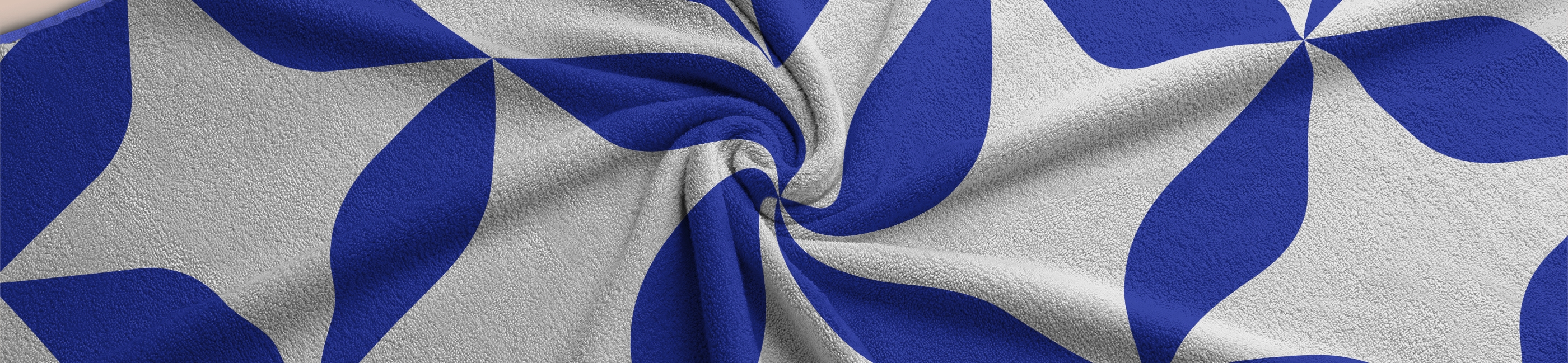
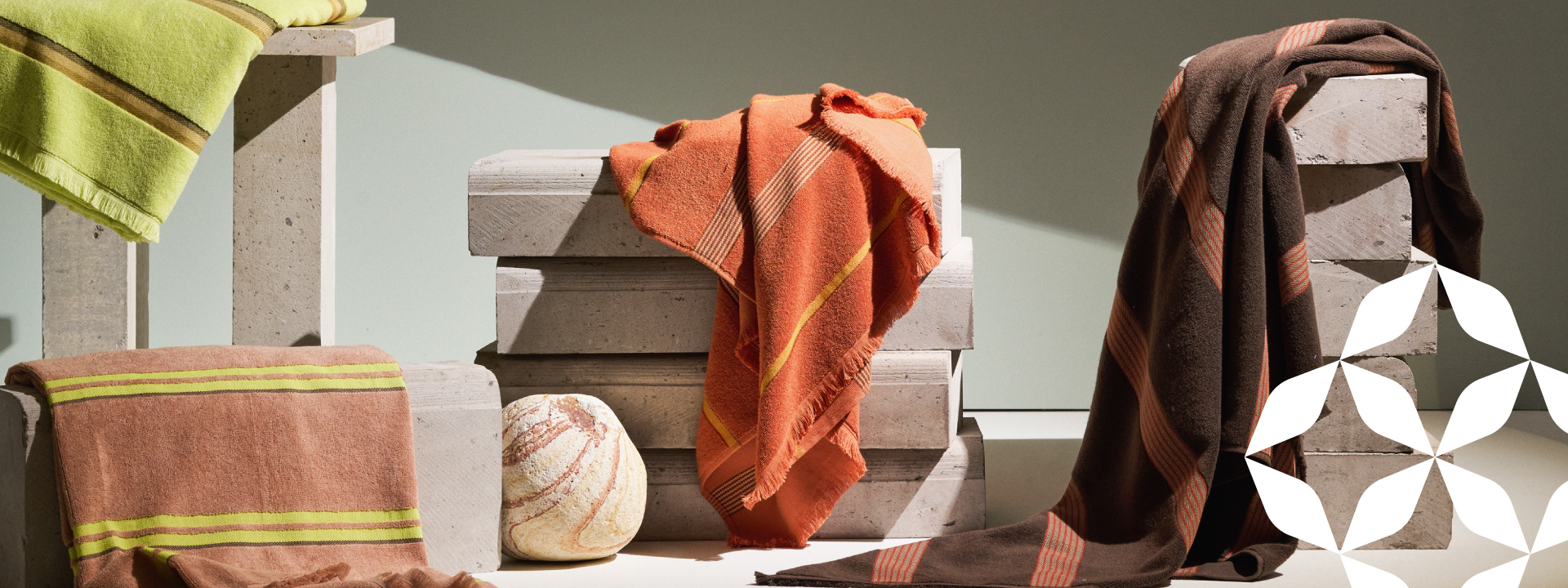
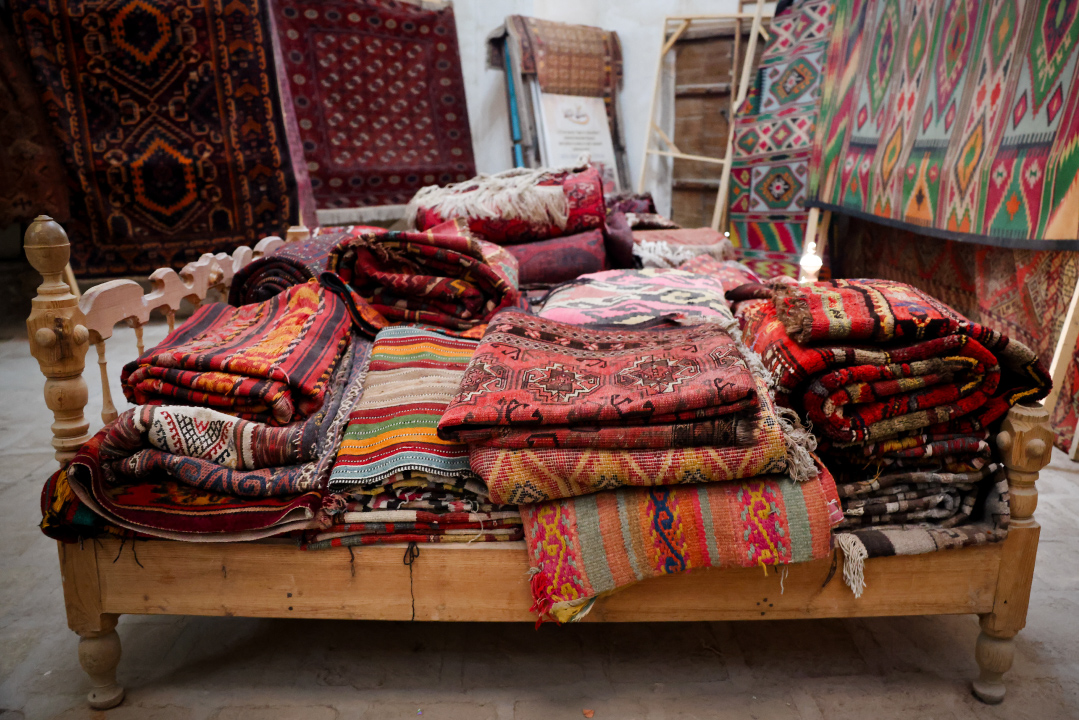
Emerging from the Ottoman bath tradition, the Turkish towel (peştemal) is one of the world’s most distinctive textile crafts. Early versions were woven from cotton and linen; by the 18th century, the introduction of looped weaving gave birth to the modern towel — a textile innovation that spread from Anatolia across the world.
Lightweight, absorbent, and durable, Turkish towels are prized for their practicality — but their true value lies in what they represent. Each thread carries the memory of Anatolian craftsmanship, every loop an echo of continuity and care.
That’s why the Turkish towel is more than a simple textile; it’s a piece of living heritage.
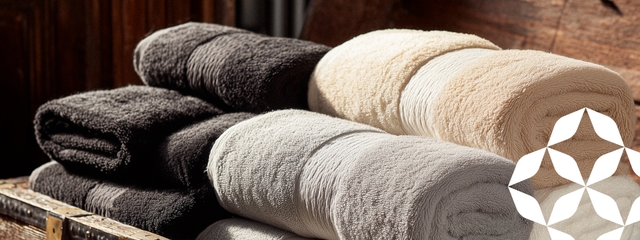
Today, Turkish towels are reimagined with modern materials like bamboo and linen, appearing in homes, spas, and coastal resorts. Their simple textures and natural tones bring quiet sophistication and warmth — along with the enduring spirit of a tradition that still lives on in every weave.
The crafts of Anatolia continue to thrive, shaped by the same elements that gave them life — earth, water, fire, and patience. Each tells a story of resilience and refinement, linking past and present through human touch.
Whether in the shine of a tile, the flow of marbling, the glow of copper, or the softness of a towel, one thing remains unchanged: the timeless presence of Turkish craftsmanship.