More Than a Bath, A Ritual of Renewal: The Turkish Bath (Hammam)
Between stone walls lies a centuries-old ritual where water, craft, and elegance meet.
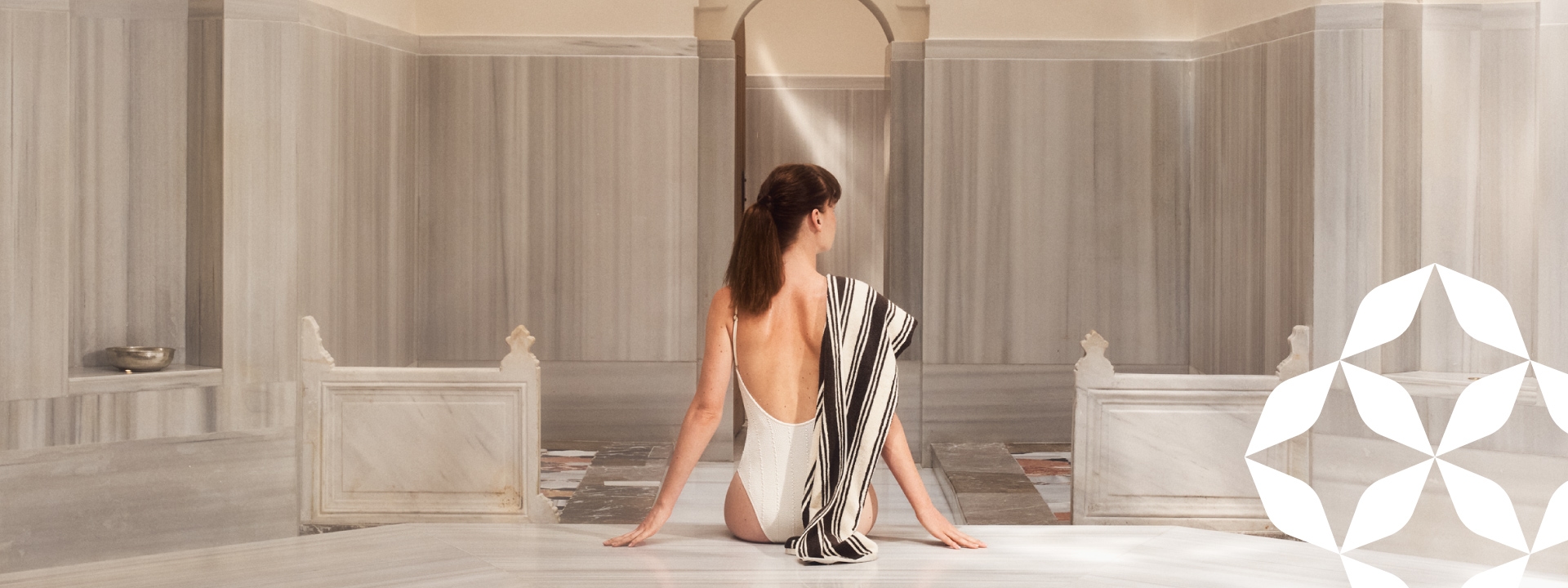
The sound of water, the scent of soap, the warmth of marble… For centuries, the Turkish bath (hammam) has been a place where people gathered for cleanliness and purification — yet it holds far deeper meaning. Conversations echoing through the steam, the delicate textiles chosen with care, and the graceful self-care rituals together reflect a living culture. In every detail, one feels the refinement of the past; in every moment, the texture of a timeless tradition.
But where did this ritual begin? How did it evolve through the centuries? With its unique rituals, artisanal textiles, and place in everyday life — let’s explore the story of this enduring heritage.
A Sensory Experience
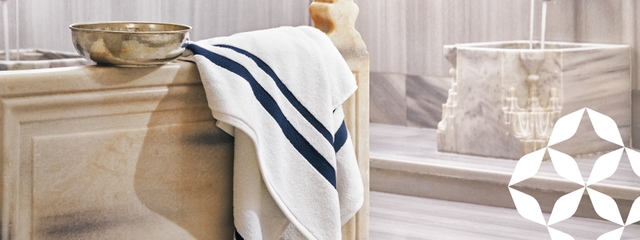
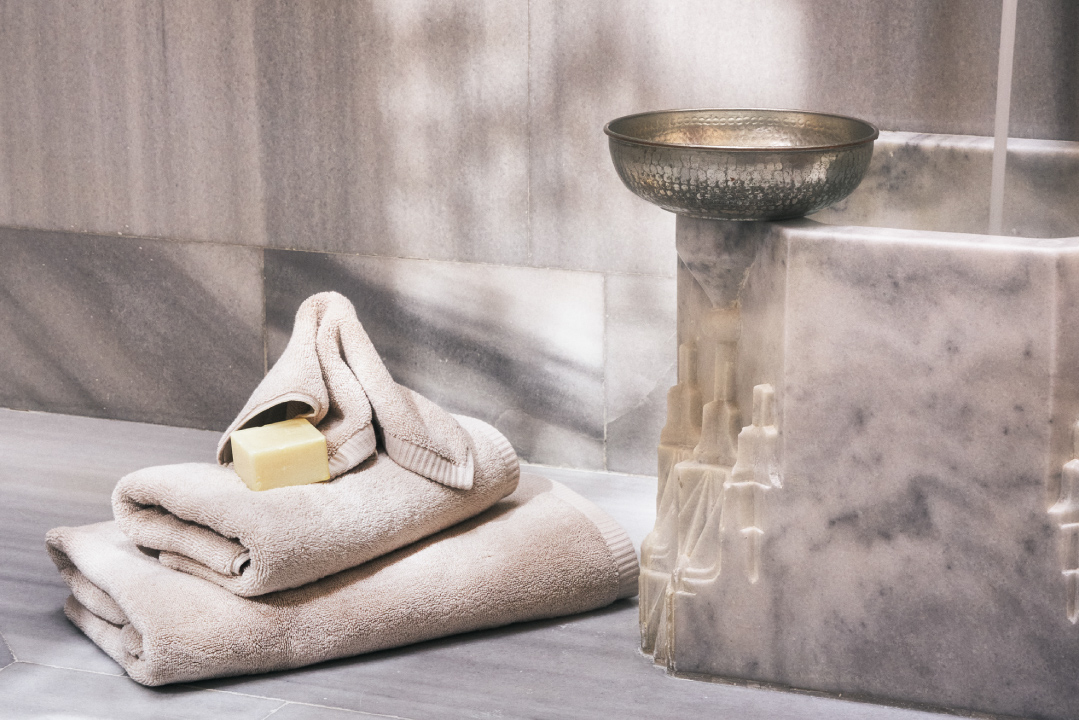
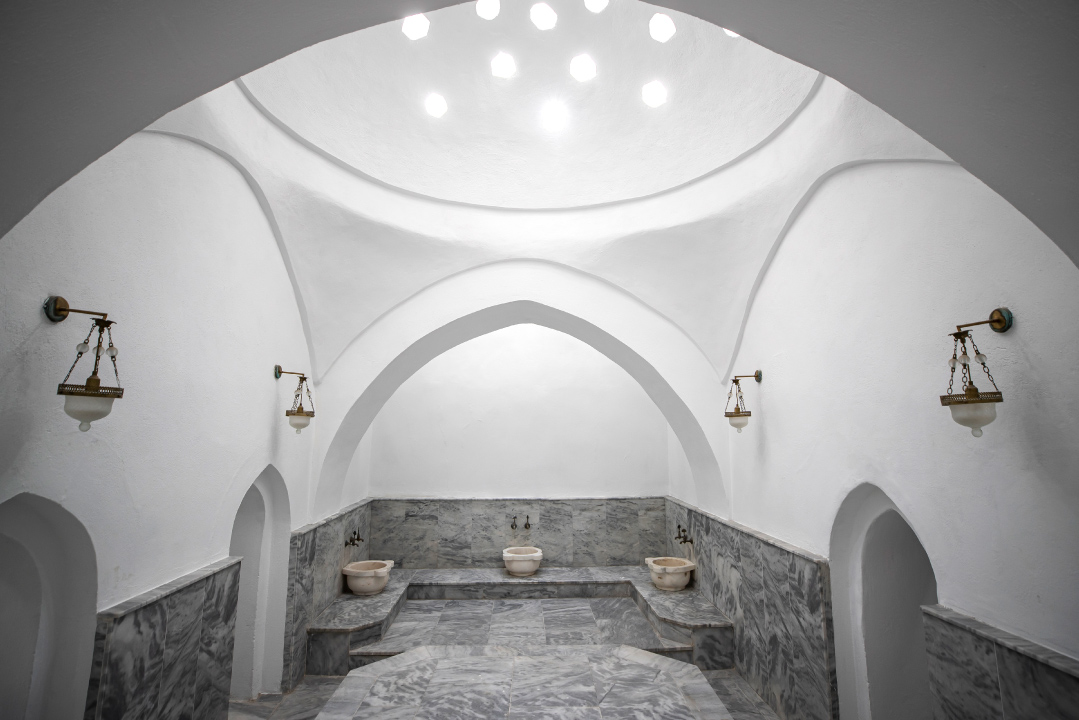
The hammam is not merely a place to wash; it is a sanctuary designed for the cleansing of both body and soul. Here, steam, the sound of flowing water, natural light, and the fragrance of soap combine to create a truly sensory experience. As light filters through the domes and meets the marble floor, time seems to slow down, and visitors are embraced by both physical and spiritual renewal.
Every gesture follows a sequence, and every touch holds meaning. It begins in the warm room, where the body relaxes in steam. Then, using a silk or linen mitt called a kese, the skin is exfoliated and revived. A soapy massage eases the muscles, followed by a quiet rest on the heated marble. The entire process becomes a rhythm of purification — a dance between water and the body. The kese, the soap, the warm stone — each is an essential part of this ancient tradition.
Cultural Origins of the Turkish Hammam
For centuries, Anatolia was shaped by the legacies of Roman and Byzantine civilizations. In those eras, water was not only for healing but also for gathering. Much like modern spas, people would come together around pools to cleanse, restore, and rejuvenate both body and spirit. These spaces, resonating with the sound of flowing water, became centers of conversation, rest, and social connection.
When the Turks brought their Central Asian steam bath tradition to Anatolia, a new form of bathing culture emerged. Where civilizations met, a remarkable synthesis was born: the Turkish bath (hammam). The Ottomans reinterpreted the bathing culture inherited from Rome and Byzantium, shaping it into something uniquely their own — through architecture, rituals, and exquisite textiles. Over time, this ritual of bathing spread from Anatolia to the Balkans, becoming one of the most graceful legacies of Turkish culture.
Personal Care, Shared Celebrations
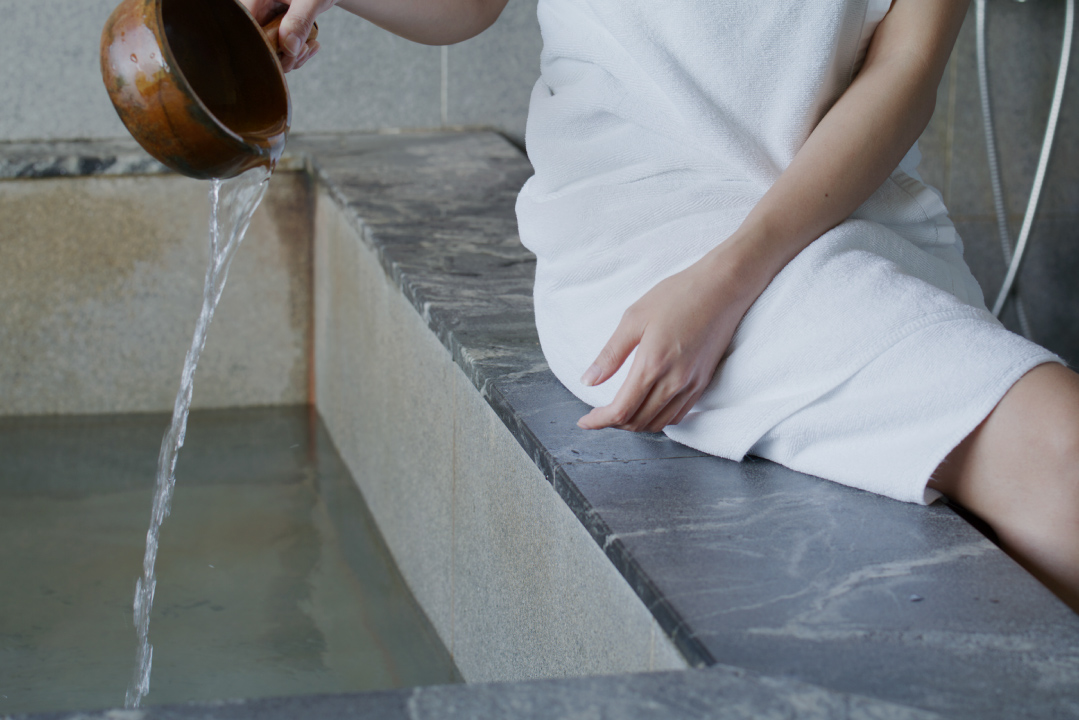
Divided into separate sections for men and women, these stone-built hammams were, for women especially, safe spaces for self-care and social connection. They resembled grand beauty salons where facial, hair, and body treatments were performed, often accompanied by aromatic oils and relaxing massages. Laughter, music, and the scent of rosewater filled the air as hours passed in the warmth of companionship and renewal.
Relatives, neighbors, and friends would meet there — strengthening bonds and sharing stories. Special bathing ceremonies were held for life’s milestones: the bridal hammam before a wedding, the fortieth-day bath after childbirth, and the festival hammam before religious holidays. These gatherings turned bathing into a celebration of grace and togetherness. Even today, this culture continues to connect people — carrying traces of the joy once shared beside the water.
Stage of Fine Craftsmanship
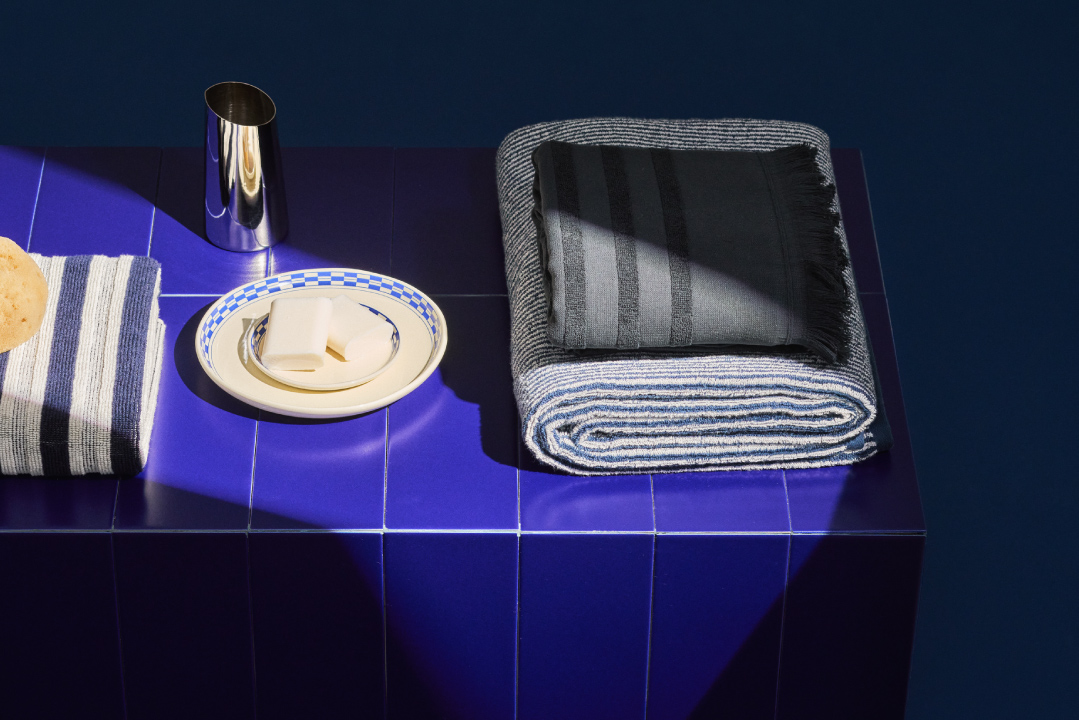
Inside the carefully prepared trousseaus of women were ornate objects, delicately embroidered fabrics, and masterfully crafted accessories. Embossed copper, brass, or silver hamam bowls; high-heeled wooden clogs with tiny bells carved by hand; ivory combs... Each piece shimmered in silver-framed mirrors, reflecting the owner’s taste, style, and social standing.
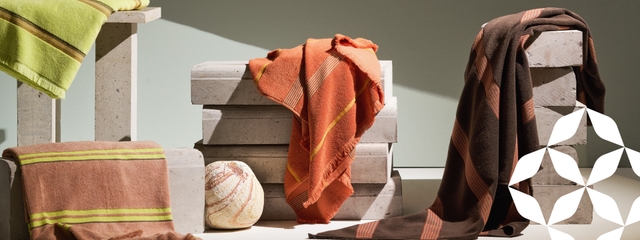
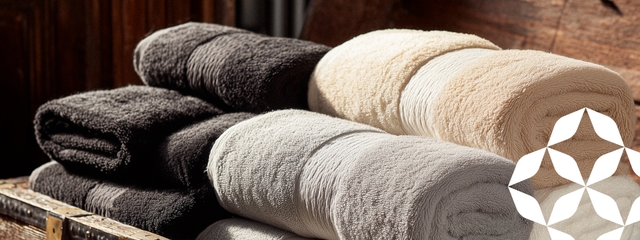
At the heart of this splendor lay the peştamal—the cloth that preserved privacy. With its light texture and checkered patterns, it became a symbol of both modesty and beauty. Over time, these woven marvels evolved, enriched by loops called hav, giving birth to the Turkish towel—soft to the touch, water-absorbent, and warmly embracing. From the looms of Denizli to Bursa, Thessaloniki, and Serres, every thread carried this cultural heritage into the present day.
Today, the Turkish towel still bears the traces of the same mastery. Though now woven mostly with modern techniques, its essence remains rooted in centuries of craftsmanship and refinement. More than a textile, it embodies a living tradition—defined by artistry, quality, and timeless texture.
The Echo of a Timeless Ritual
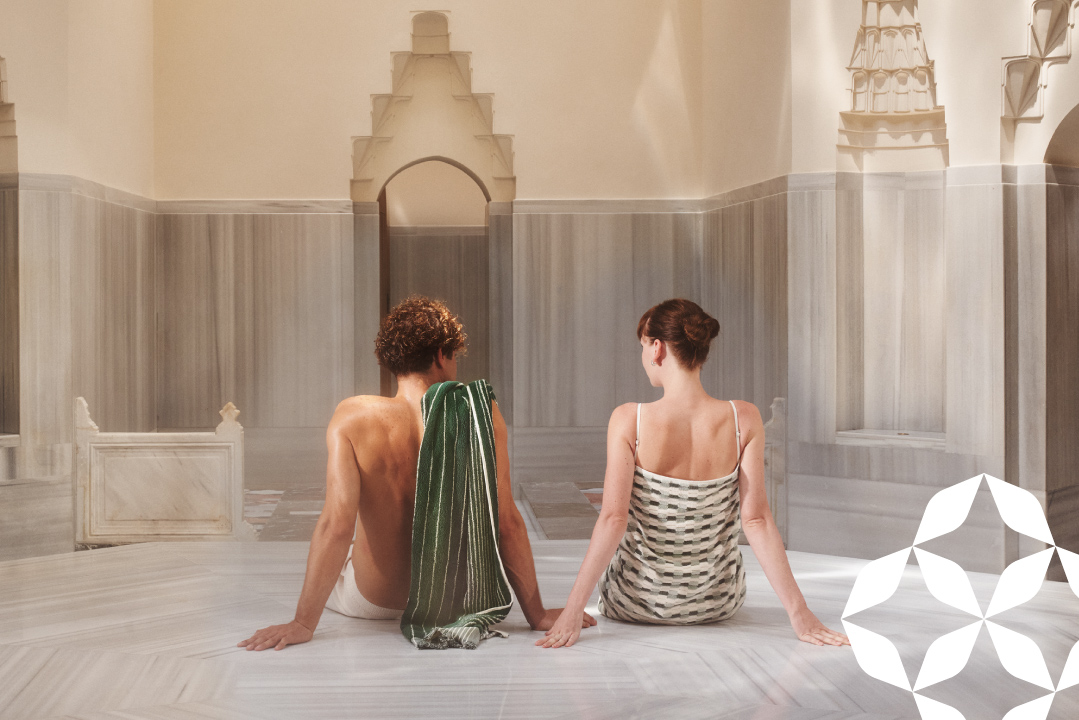
Hammams are like doorways to centuries past. From Istanbul to Bursa, from Safranbolu to Gaziantep, there are still many historic bathhouses that offer the same sense of purification and peace.
At the same time, with modern life, the hammam tradition lives on inside homes. It is no longer just a crowded purification but a moment to step away from the chaos of daily life — to turn inward and seek quiet renewal. In the steam that fills the room, in the drops gliding down marble, in the soft lather of the bath mitts… the echo of the Turkish bath (hammam) tradition endures. The Turkish towel carries the legacy of this ritual as its final touch — completing the experience with timeless mastery.