From Hammams to Homes: The Cultural Journey of Turkish Towels
Behind every Turkish towel lies a story woven through centuries of tradition and craft. Let’s discover its cultural journey from past to present.
Born in a Ritual
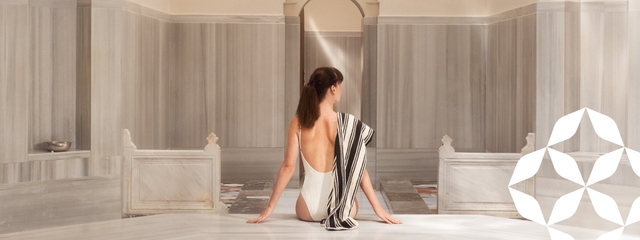
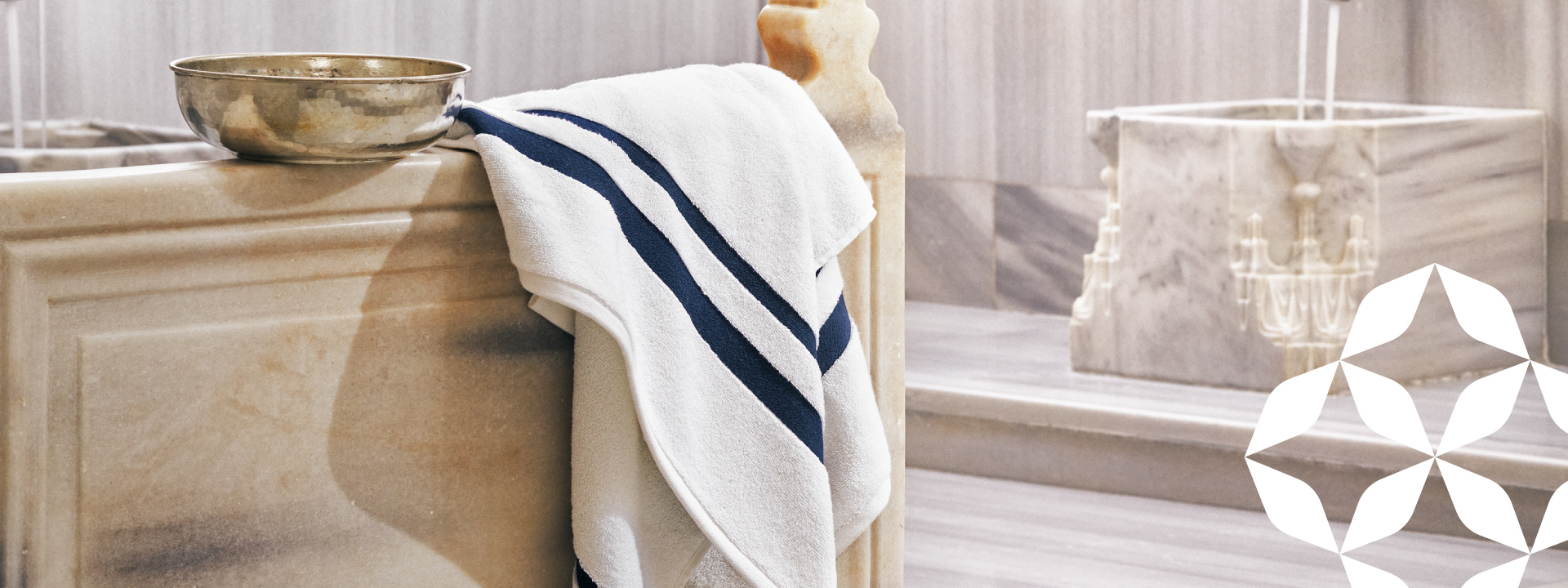
Step into a hammam centuries ago, and you would find more than steam rising from the marble floors. You would find a ritual of community, of renewal, and of comfort. At the heart of this ritual lay a simple yet extraordinary piece of fabric—Turkish towels.
For over four hundred years, Turkish towels have woven themselves into the cultural fabric of Anatolia and beyond. Known in their original flat-woven form as peştemal, and later as the looped havlu, their story is not just about drying off after a bath—it is about tradition, craftsmanship, and the remarkable journey of a textile that has traveled from hammams to homes all over the world.
The roots of Turkish towels stretch deep into Anatolia’s bathing culture. Inspired by the thermae of Rome and the bathhouses of Byzantium, the Ottomans perfected the hammam experience. Here, bathing was never simply functional. It was a shared ritual, a moment to cleanse both body and soul, and a social space where people gathered to celebrate milestones.
In these sacred places, Turkish towels offered privacy, warmth, and softness. Flat-woven from cotton or linen, they were light enough to carry easily and strong enough to last for years. Over time, they became inseparable from the hammam tradition itself.

The Ottoman Craft
As the Ottoman Empire flourished, so did the artistry of its textiles. Local artisans worked on wooden looms, weaving long cotton threads into fabrics that were soft, durable, and striking in design. A towel was no longer just a practical item—it was a marker of refinement, hospitality, and cultural pride.
Families gifted Turkish towels at weddings, births, and ceremonies. A full set would cover the head, shoulders, and hips, symbolizing care and protection for life’s important moments. Each piece carried meaning far beyond its function.
The 18th century brought an innovation that changed the future of towels forever: looped-pile weaving. Known as havly—“with loops”—these designs gave the towel its familiar plush texture. Over time, havly evolved into havlu, the Turkish word we still use today.
This was more than a technical shift. It marked the beginning of the towel’s transition from ceremonial cloth to the versatile essential we recognize today.
Crossing Borders
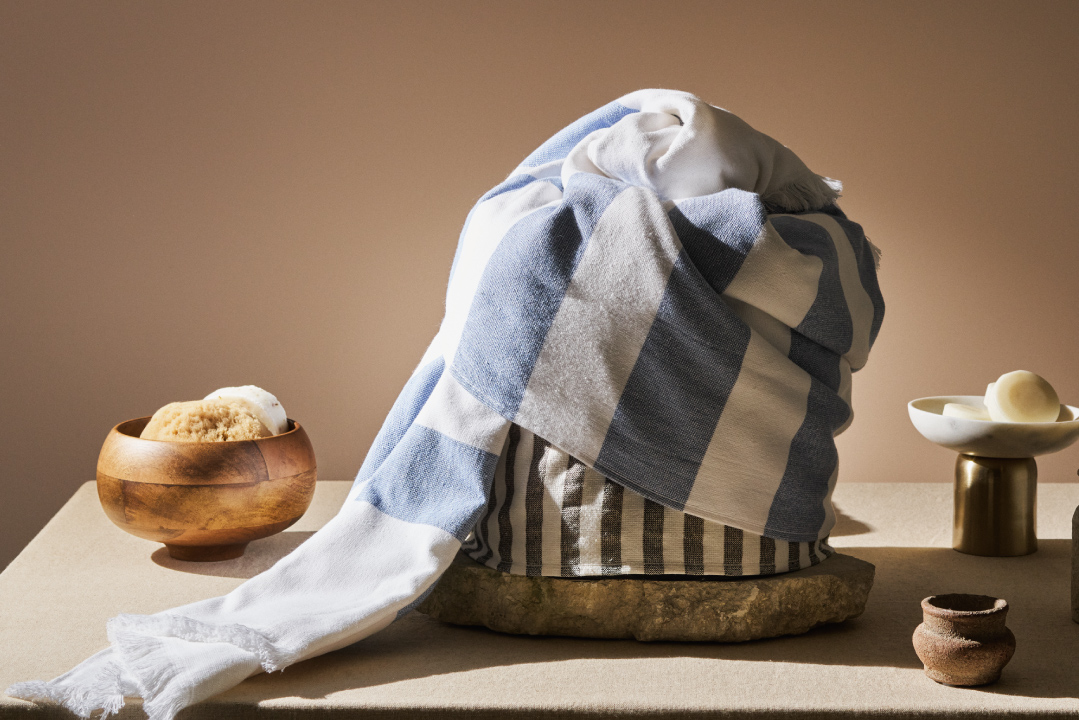
In the 1840s, Turkish towels caught the eye of Henry Christy, an English businessman visiting Istanbul. Captivated by their looped-pile design, he carried a small swatch of fabric back to England—an act that would spark a textile revolution.
His brother, Richard Christy, immediately recognized its potential—if only it could be produced on a larger scale. That challenge fell to Samuel Holt, a talented foreman at their mill. By 1848, Holt had designed the first loom capable of recreating the looped weave of Turkish towels. A few years later, he perfected a two-warp system that captured the unique pile of the handmade originals.
What had once been the pride of Ottoman hammams was suddenly within reach of the industrial age. In 1851, these newly mechanized towels were unveiled at London’s Great Exhibition, drawing admiration for their innovative texture. Soon after, they reached Buckingham Palace, where Queen Victoria herself gave them her endorsement. From that point forward, Turkish towels were no longer just an Eastern tradition—they had become a European sensation, known as “Royal Turkish Towels” and celebrated as a blend of heritage and modern ingenuity.
Tradition Meets Modern Life
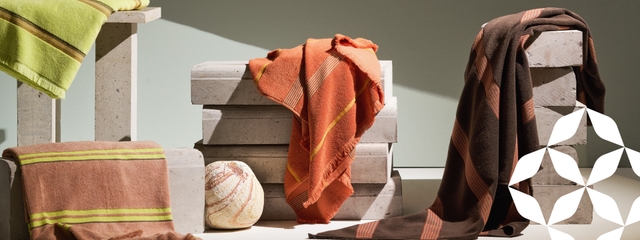
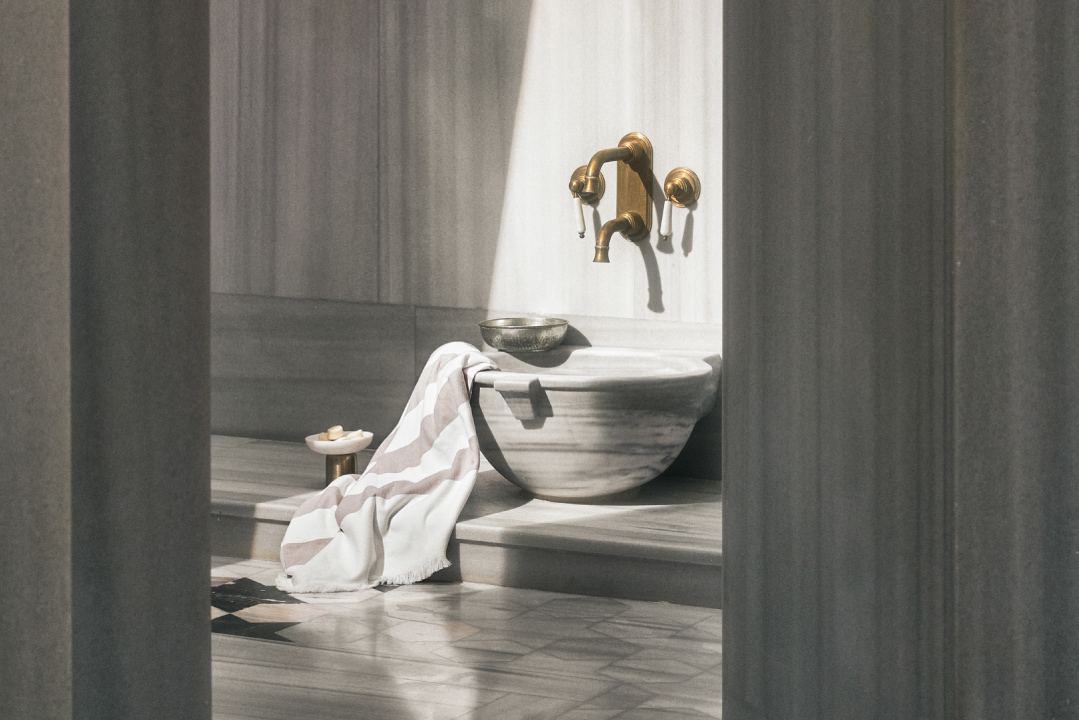
By the 20th century, the craft adapted to modern production. Turkish towels retained their authentic soul but embraced new colors, patterns, and methods. Today, they have expanded far beyond the hammam. You’ll find them in luxury spas, on sandy beaches, in travel bags, and even styled as throws in modern homes.
What makes them special is not just their versatility but their enduring link to heritage. Every thread carries the weight of centuries of craftsmanship, blending old-world artistry with contemporary living.
A Living Heritage
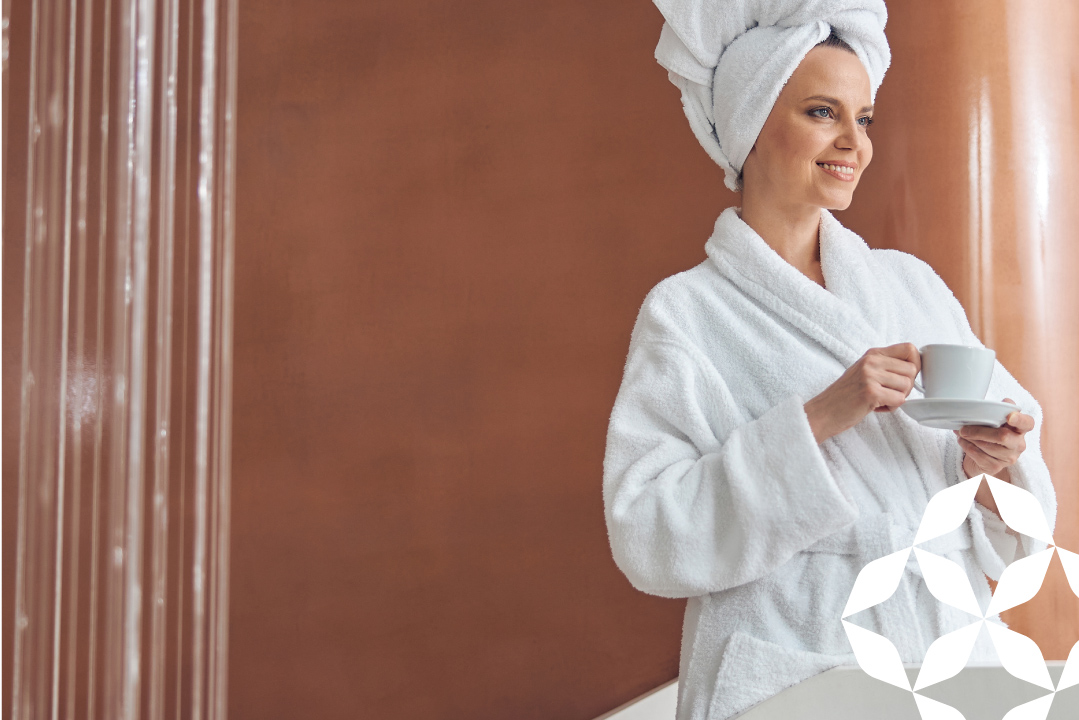
Turkish towels are more than fabric. They are cultural storytellers—woven through rituals, history, and daily life. From hammams filled with steam to royal chambers and now to homes across the globe, they remain a living heritage.
When you wrap yourself in a Turkish towel, you are not just feeling soft cotton against your skin. You are stepping into a tradition that has connected people for generations, bridging past and present in every weave.